

Oil prices, just like a barometer with the global economy, use a profound effect on various areas of our lives, in the cost of fuel at the pump for the prices of merchandise on the store shelves. Over the years, the world has witnessed fluctuations in oil prices because of various factors, including geopolitical tensions, demand and supply dynamics, and environmental concerns. In this post, we explore what causes wti oil price, their consequences around the economy and consumers, and techniques to mitigate their effects.
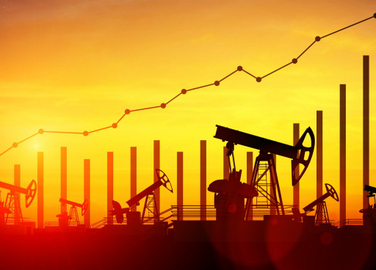
Factors behind Rising Oil Prices
Demand and supply Dynamics: Most significant drivers of rising oil prices may be the basic economic principle of supply and demand. When global need for oil exceeds supply, prices often increase. Factors for example economic growth in emerging markets, increased industrial activity, and seasonal variations can all contribute to higher demand.
Geopolitical Tensions: Political conflicts, sanctions, and disruptions in main oil-producing regions can significantly impact oil supplies. Any instability in oil-rich regions can result in a sudden spike in prices as a result of concerns over supply disruptions.
OPEC+ Production Decisions: The corporation of the Petroleum Exporting Countries (OPEC) and its particular allies, collectively referred to as OPEC+, play an important role in influencing oil prices. Their decisions on production quotas and provide adjustments make a difference global oil prices significantly.
Currency Exchange Rates: Oil is priced in U.S. dollars, so fluctuations in foreign exchange rates could affect oil prices. A weaker U.S. dollar compared to other currencies can result in higher oil prices, because it takes more dollars to get the same amount of oil.
Disasters: Hurricanes, earthquakes, along with other natural disasters can disrupt oil production and transportation infrastructure, causing supply shortages and price spikes.
Consequences of Rising Oil Prices
Higher Fuel Costs: The most immediate and noticeable impact of rising oil prices is the increased cost of gasoline and diesel fuel. This affects not merely individual consumers but additionally businesses that count on transportation.
Inflationary Pressure: Higher oil prices can give rise to overall inflation as they raise the expense of production and transportation for services and goods. This can erode consumers' purchasing power and lead to higher prices across various sectors.
Reduced Consumer Spending: When consumers save money on essentials like fuel, they often times have less disposable income for other goods and services, which can dampen economic growth.
Impact on Businesses: Industries heavily reliant on oil, for example airlines, shipping, and manufacturing, may see their operating costs rise, potentially ultimately causing reduced profit margins or higher prices for his or her products.
Energy Transition Challenges: Rising oil prices can either motivate or hinder efforts to transition to cleaner powers. On one hand, higher prices could make renewable energy more appealing, but alternatively, they can discourage investment in alternative energy solutions.
Ways of Mitigate the outcome
Energy Efficiency: Businesses and individuals can invest in energy-efficient technologies and practices to cut back consumption reducing energy costs.
Diversification: Reducing reliance on oil by diversifying sources of energy, such as renewables, will help mitigate the outcome of rising oil prices.
Conservation: Promoting energy conservation through public policies and initiatives will help reduce interest in oil.
Investment in Alternative Energy: Governments and businesses can accelerate investments in and also sustainable powers, reducing reliance on fossil fuels.
Strategic Stockpiling: Maintaining strategic oil reserves can provide a buffer against sudden supply disruptions and cost spikes.
Rising oil price is a complex and multifaceted phenomenon with far-reaching implications for folks, businesses, and economies. Since they can present challenges, they also offer opportunities for innovation, energy transition, as well as the development of more sustainable practices. To navigate the outcome of rising oil prices successfully, individuals, businesses, and policymakers must adopt a multifaceted approach that encompasses energy-efficiency, diversification, plus a commitment to sustainability.